Douyin vs. TikTok E-commerce: What Marketing Managers Must Know
Douyin and TikTok may look similar, but they drive sales in very different ways. This article breaks down how each platform really works—and how brands can win on both.

Want to Succeed in China? Download Our Free 84-Page Strategic Guide
In the rapidly evolving world of short-video commerce, Douyin e-commerce and TikTok e-commerce have emerged as two of the most influential platforms shaping how consumers discover and purchase products. While both leverage short-form video and social engagement to drive sales, the way they operate, the markets they serve, and the strategies that work best on each platform differ significantly.
For marketing managers aiming to expand in China or tap into international markets, understanding these differences is crucial. This article explores the unique mechanics of Douyin and TikTok e-commerce, highlights successful case studies, and provides actionable insights for brands looking to maximize their impact in these dynamic ecosystems.
Douyin E-commerce: Content, Subsidy & Full Ecosystem Domination
Over the past few years, Douyin has morphed from a mere video platform into a short-video “big marketplace”. In 2024 the platform reportedly surpassed 2 trillion yuan GMV. Two standout case studies illustrate why Douyin e-commerce is so powerful:
A livestream by “Oriental Selection” (东方甄选) turned a bilingual reading of The Little Prince into a 45-minute variety-style show. The result? Over 120 million yuan in sales of books and agricultural products. Douyin’s algorithm rewarded the livestream with six pushes of “hot-list” exposure packages, boosting its live-viewer count from 100,000 to 1 million.
In the same month, Douyin Mall launched the “Super Value Buy” (超值购) channel. A simple 9.9-yuan pack of toothbrushes from Yiwu — tagged with “official subsidy” — triggered factories to run 15 production lines nonstop for three days. Thanks to algorithmic amplification plus subsidies, a plain white-label commodity instantly became a daily-million-sales “super hit.”
What these examples show is Douyin’s core formula: “content = ad, ad = transaction.” The commerce ecosystem is tightly integrated — from video and livestream content to Douyin Pay, Douyin Small Shop, and a guaranteed two-hour returns service all inside the platform. The result: extremely low friction from discovery to checkout.
Today Douyin is widely regarded as China’s biggest short-video retail marketplace, blending entertainment, content, and instant commerce — and setting the standard for success in short-form e-commerce.
TikTok E-commerce: Content-First Export Model with Emerging Commerce Infrastructure
In contrast, TikTok e-commerce remains more fragmented — especially outside China. The model emphasizes content-driven discovery and third-party logistics, rather than a unified ecosystem. Two global cases illustrate how TikTok Shop works today:
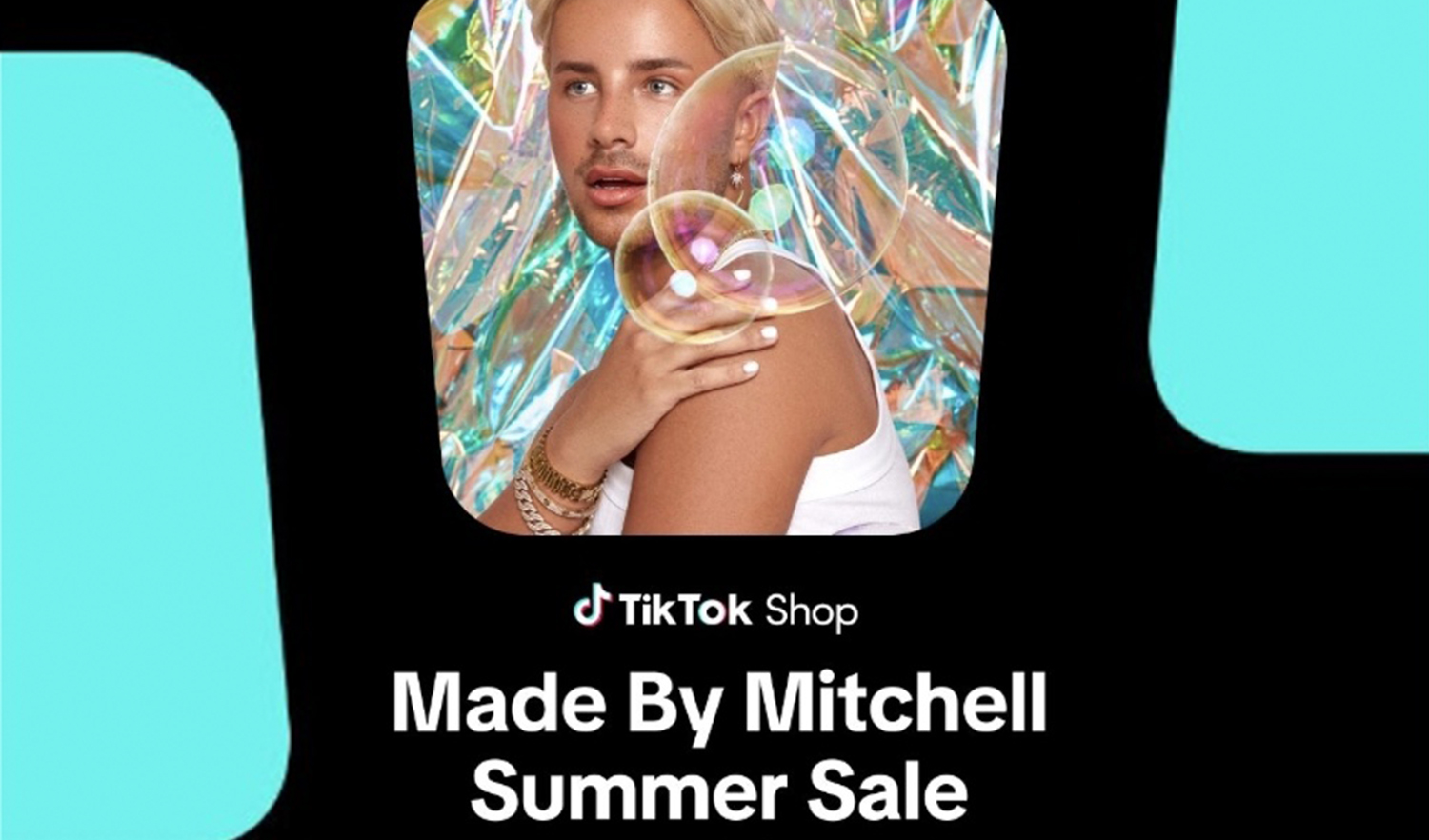
- In 2023, UK beauty brand Made by Mitchell launched a 50-color eyeshadow palette and hired 20 mid-tier influencers to create quick-cut “makeover” short videos. In just 7 days, the campaign racked up 130 million views and drove US$4.1 million in TikTok Shop sales at a unit price around US$38 and return rates below 6%.
- That same year, in Vietnam, TikTok ran an 11.11 promotional campaign combining a “viral song challenge” with flash-sale phones priced at 9,000 VND (~US$0.36) — supported by 40% platform subsidy. The result: a single-day GMV of US$170 million, nearly matching the local record held by established competitor platforms like Shopee.
These cases underscore TikTok’s current strengths: in Western and Southeast Asian markets, content-led brand building, influencer seeding, and promotional subsidies drive conversions. The checkout process, however, is often more complex — relying on PayPal or mixed third-party/official warehouses, unlike Douyin’s integrated payment and logistics system.
Globally, TikTok e-commerce GMV remains far smaller than Douyin’s — roughly one-tenth as large. Yet for international sellers and brands targeting cross-border markets, TikTok Shop is arguably the most vibrant emerging “traffic pond.”
Head-to-Head: Douyin vs. TikTok — Key Differences at a Glance
|
Feature / Factor |
Douyin E-commerce (China) |
TikTok E-commerce (Global) |
|---|---|---|
|
Ecosystem Integration |
Fully integrated: Douyin Pay, Small Shop, in-app returns, same-day logistics |
Limited: rely on external payment (PayPal or local gateways), mixed logistics (3P & official warehouses) |
|
Algorithm + Subsidy Sales Model |
Strong: content boosted with subsidies pushes even white-label commodity to “爆款” (super-hit) status |
Moderate: promotional subsidies + influencer marketing drive spikes, but volume depends on external logistics & payment hurdles |
|
Role of Content |
Central — content doubles as advertisement; livestreams and regular videos drive immediate sales |
Important — content is key to discovery and brand awareness; conversion often requires external link or checkout flow |
|
User-Funnel Closure |
End-to-end inside Douyin (discovery → purchase → returns) |
Often fragmented — content → external checkout or third-party store → delivery/returns outside TikTok |
|
Appeal Markets |
China domestic brands, mass market, everyday commodities, fast-moving consumer goods |
Cross-border brands, niche products, beauty/fashion items, export-oriented sellers |
|
Scalability & Volume |
Very high — platform scale + logistic infrastructure support daily high-volume “爆款” |
High potential but dependent on external factors (logistics, payment, delivery infrastructure per region) |
What This Means for Marketing Managers
For brands and marketing professionals evaluating where to invest resources, the contrast between Douyin and TikTok e-commerce suggests two very different strategic paths:
If your target is China’s massive domestic market, mass consumption, or fast-moving goods, then Douyin e-commerce stands out:
- Seamless user journey from discovery to purchase to delivery — ideal for everyday commodities.
- Algorithm-driven exposure + platform subsidy can rapidly turn commodities into top-selling SKUs.
- Unified payment and returns infrastructure reduce friction and increase customer trust.
If you’re a cross-border brand seeking new audiences in Western or Southeast Asian markets, TikTok e-commerce offers unique advantages:
- Strong potential for brand storytelling and influencer-driven campaigns.
- Opportunity to test international demand with modest investment.
- Affordable entry point for niche or premium products through social content and global reach.
That said, TikTok’s setup often requires external logistics, payment gateways, and compliance with local regulations, which increases complexity and may limit volume.
For maximum effect, many forward-looking brands adopt a dual-platform strategy: using Douyin domestically, and TikTok internationally, customizing content, logistics, and pricing to suit each ecosystem.
Best Practices & Recommendations for Brands
Brands should avoid treating Douyin and TikTok as generic social media platforms, as both function primarily as commerce ecosystems where content must be designed with conversion—not just engagement—in mind. On Douyin, fast-moving consumer goods benefit most from livestreaming combined with algorithm subsidies, supported by highly native content, strong opening hooks, and competitive pricing strategies. TikTok, by contrast, requires a longer-term approach focused on storytelling and brand building, often starting with mid-tier or micro-influencer collaborations before scaling through paid media or in-platform shopping tools.
Operational readiness is equally critical: Douyin typically demands local warehousing and payment solutions, while TikTok often involves cross-border logistics and region-specific compliance. Finally, performance should be evaluated separately across platforms—Douyin ROI can be measured using internal platform metrics, whereas TikTok financial planning must account for external factors such as shipping timelines, logistics costs, and return rates.
Two Platforms, Two Markets — One Opportunity for Smart Brands
As short-video commerce redefines online retail, Douyin e-commerce and TikTok e-commerce represent two distinct but complementary channels. Douyin offers a mature, integrated ecosystem for high-volume, fast-moving sales in China. TikTok, while younger and more fragmented, presents a fertile ground for global expansion, brand building, and testing new markets.
For marketing managers and brands aiming to win in 2024–2025, the choice isn’t necessarily Douyin or TikTok — it’s Douyin and TikTok. By adapting strategies to each platform’s strengths, aligning product categories to audience profiles, and optimizing logistics and content for each environment, brands can unlock the full potential of short-video commerce globally.
Want to Succeed in China? Download Our Free 84-Page Strategic Guide
Want to Succeed in China? Download Our Free 84-Page Strategic Guide
Keep up with the latest trends



DFC Studio is a Beijing-based digital marketing and e-commerce agency specializing in the Chinese market.
We help brands build visibility, engagement and sustainable online sales in China.
Our strength lies in a multicultural team combining deep expertise in China’s digital ecosystem with French-style management excellence.