996 in China and the Future of Work: A Global Perspective
Explore China’s 996 work culture, its impact on productivity, work-life balance, Gen Z expectations, and labor law compliance, with insights on flexible work and employee well-being.

Want to Succeed in China? Download Our Free 84-Page Strategic Guide
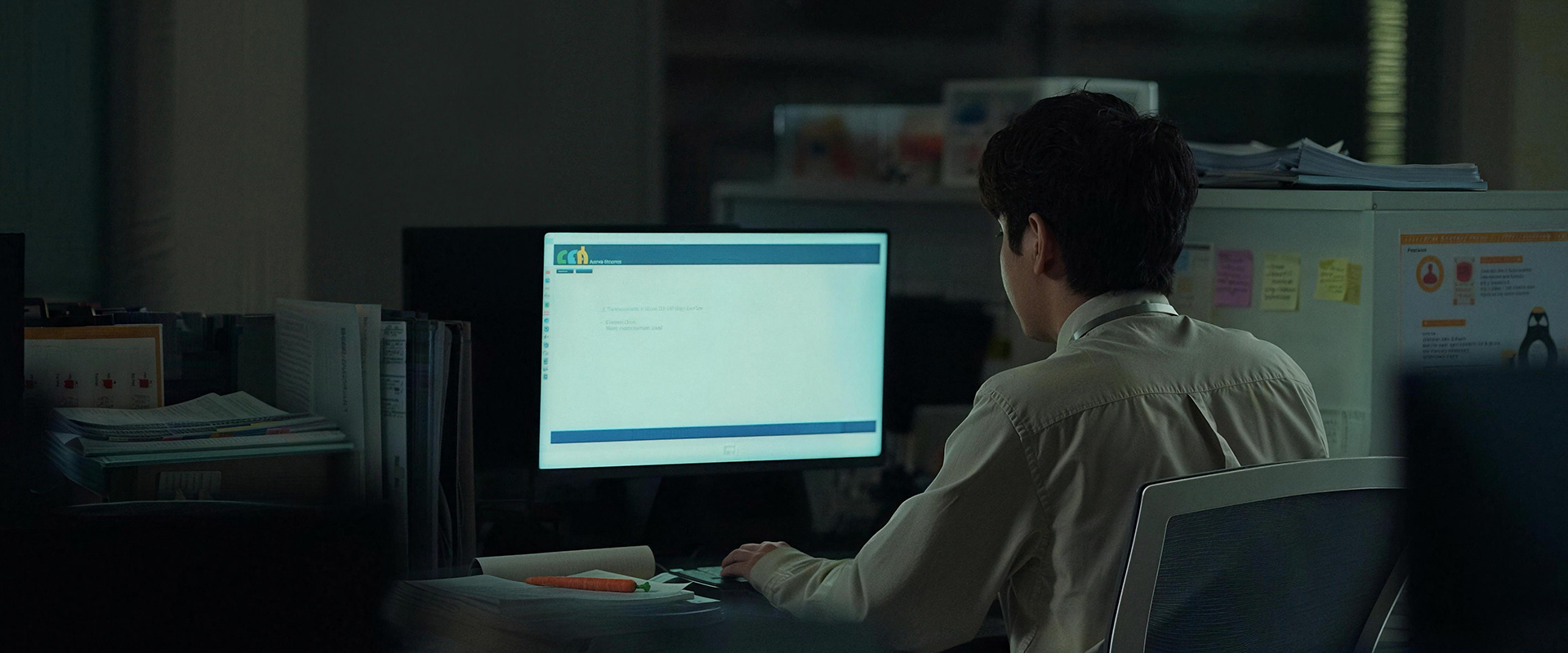
In many Chinese cities, it’s not unusual to see office lights burning late into the night or crowded subways filled with weekend commuters. These everyday scenes highlight a workforce deeply committed to career growth and organizational success. But as China’s economy evolves, so too does the conversation around working hours. At a recent economic forum, Professor Lu Ming of Shanghai Jiao Tong University pointed out that long working hours have historically supported a growth model where time investment drives economic progress.
Today, companies and policymakers are exploring how to maintain high productivity while also prioritizing employee well-being, work-life balance, and the expectations of younger professionals, especially Gen Z, who increasingly value mental health alongside career ambition.

Data Speaks: How Intensive Work Schedules Shape China’s Work Culture
China’s work culture is often characterized by the so-called 996 work schedule, which refers to working from 9 a.m. to 9 p.m., six days a week. According to the International Labour Organization (ILO) 2024 report, urban employees in China average 46.4 hours per week, significantly above the OECD average of 36.4 hours. This reflects a broader employment practice in which long hours are seen as a contribution to personal growth, career advancement, and company development.
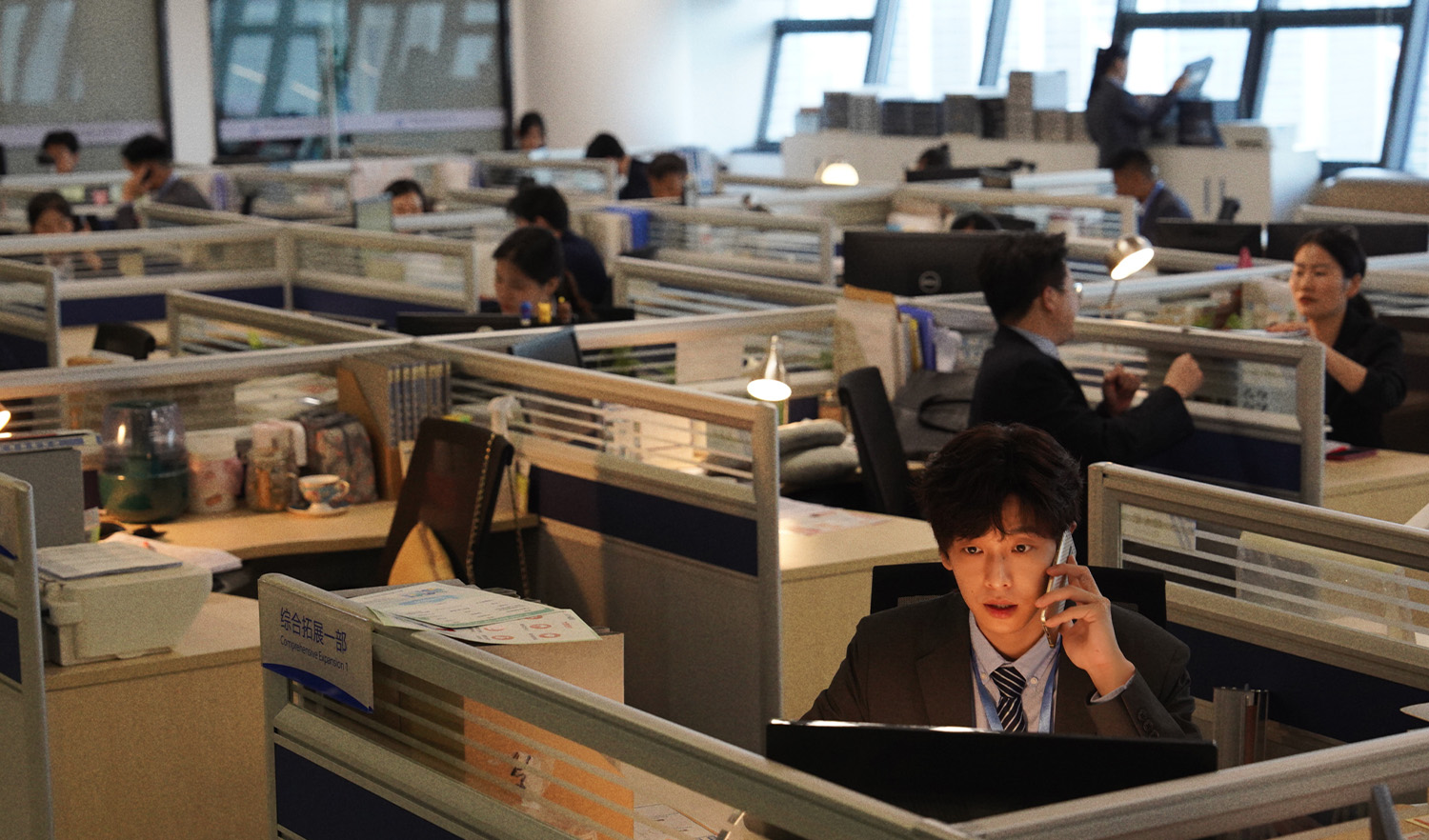
While extended work schedules are common in other fast-growing economies, the Chinese model—especially in tech, finance, and startup sectors—has gained global attention for its intensity and dedication. Surveys show that a substantial number of employees log 10–20+ hours of overtime per month, highlighting the scale and commitment of the workforce. At the same time, adherence to labor law provisions such as paid leave is gradually improving, signaling a growing awareness of work-life balance and mental health.
The Economic Logic Behind the 996 Work Schedule
China’s high-effort work culture has direct implications for both productivity and consumption. Experts note that when employees invest significant time in work, their capacity for leisure spending is constrained. Yet international case studies, such as those from Germany and Japan, indicate that strategically implemented rest periods can enhance economic efficiency. For China, extending holidays and promoting flexible work schedules could complement the existing 996 framework, allowing employees to engage in consumption, cultural activities, and personal development without compromising corporate productivity.
Economically, long work hours are part of a model that values time-intensive labor for growth. Research from Tsinghua University shows that after 40 hours per week, each additional hour of work leads to a slight decline in productivity, emphasizing the importance of balancing dedication with efficiency. Meanwhile, consumption patterns illustrate the trade-off: average domestic travel is shorter, weekend shopping is less frequent, and overall leisure activities are limited due to the demands of the 996 schedule.
Work-Life Balance, Mental Health, and the Emerging Gen Z Workforce
The younger generation, particularly Gen Z, is entering the workforce with different expectations about work-life balance, mental health, and career flexibility. Companies are increasingly exploring ways to combine traditional long-hour dedication with initiatives that support well-being, such as flexible work schedules, hybrid arrangements, and targeted wellness programs. These adjustments aim to maintain high productivity while accommodating the evolving values of younger employees.
China’s 996 work culture also influences corporate practices such as employee retention, performance evaluation, and professional development. Employers who recognize the importance of balancing work intensity with personal time can foster a more engaged and sustainable workforce. Measures like proper implementation of labor law entitlements, overtime compensation, and structured time-off policies contribute to healthier employment practices and ultimately support business growth.

The Broader Context: Economic Transition, Work Hours, and Productivity Trends
As China’s economy continues its transition from high‑speed growth to high‑quality development, the interplay between work hours and productivity has become an important consideration for both businesses and policymakers. Recent academic research and labor market analyses indicate that while longer hours can support output in certain stages of economic expansion, sustained high work intensity does not automatically translate to higher productivity. Studies published by Chinese economic institutions and international organizations show that productivity gains tend to plateau or decline when weekly hours exceed a certain threshold, particularly in sectors reliant on creativity, knowledge work, and problem‑solving rather than manual labor.
For example, research from the China Centre for Economic Studies suggests that beyond a standard 40‑hour week, incremental increases in work hours have diminishing returns on both individual performance and overall company output. This pattern mirrors findings in other advanced economies, where work efficiency often improves when employees have adequate rest, structured time off, and sufficient room for psychological recovery. In this context, initiatives such as annual leave compliance, flexible working time policies, and hybrid work models are gaining traction among progressive employers as tools to sustain long‑term engagement and retention.
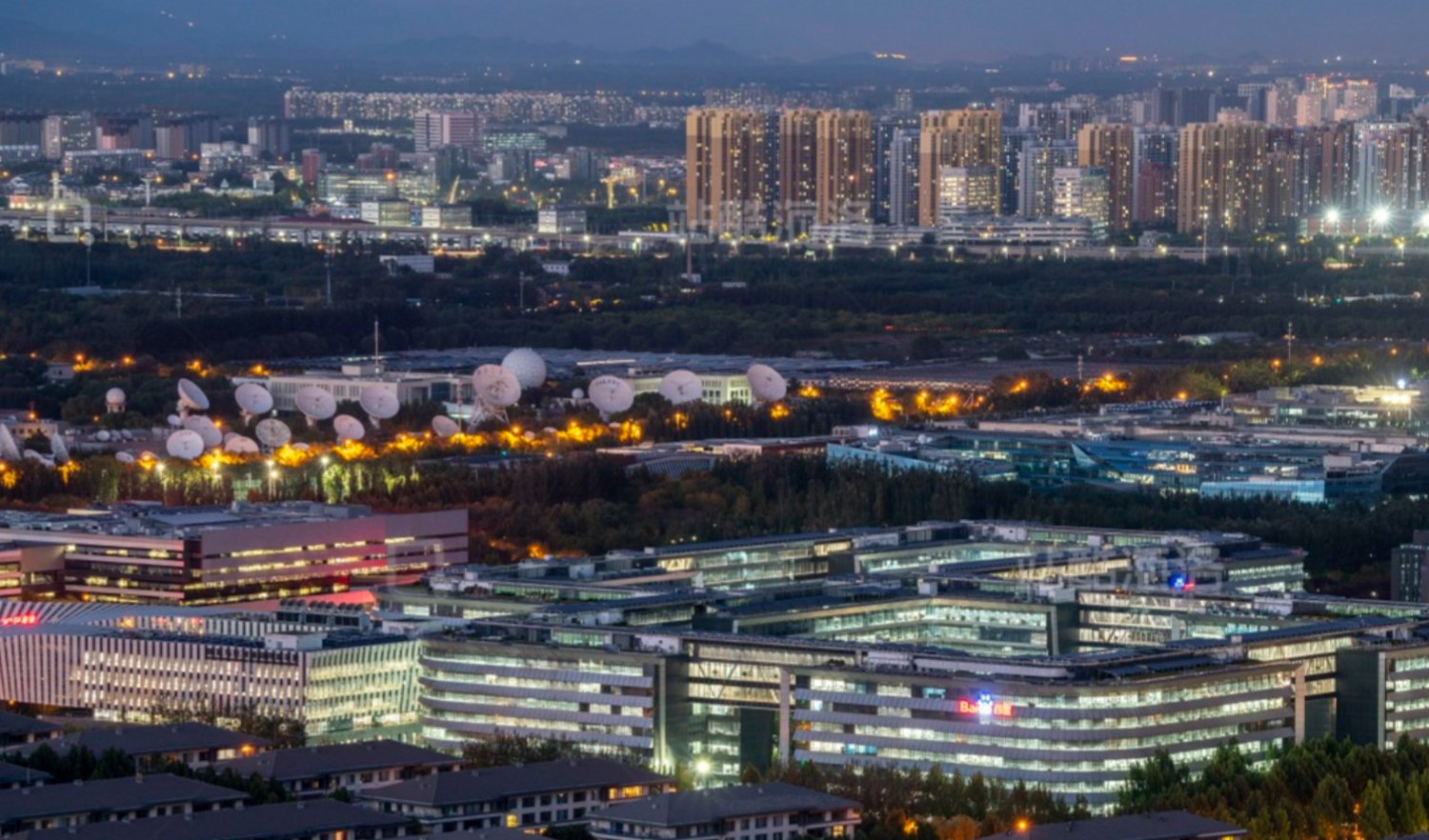
At the same time, labor law compliance has become a focal point for companies aiming to balance competitive advantage with equitable employment practices. China’s labor law framework sets clear limits on standard working hours and overtime compensation, reflecting a legal foundation common across global markets. Efforts to implement these standards more effectively are part of a broader shift toward workforce modernization, where talent attraction and retention increasingly depend on transparent policies and supportive work environments.
Another dimension of this broader context is the impact of demographic shifts on work culture. With an aging workforce and a growing proportion of Gen Z professionals entering various industries, expectations around career progression, work-life balance, and mental health continue to evolve. According to surveys conducted by national and international human capital firms, younger employees tend to prioritize flexibility and meaningful work over rigid schedules, even in high‑performance settings. This trend mirrors patterns observed in other major economies undergoing similar transitions, where blended work arrangements, results‑oriented structures, and employee well‑being initiatives are integrated into core business strategies.
These developments are not just anecdotal but are reflected in policy discourse. Government agencies, academic think tanks, and industry associations are increasingly engaging in dialogues about optimizing labor practices to better align with China’s developmental goals. The emphasis is shifting from simply increasing raw labor input to enhancing work efficiency, innovation capacity, and sustainable productivity growth—components that are central to China’s next stage of economic transformation.

Conclusion
China’s 996 work culture remains a prominent aspect of its work culture and labor landscape, reflecting a strong commitment to growth, productivity, and corporate success. When combined with thoughtful work-life balance initiatives, attention to mental health, and flexible employment practices, this intensive 996 work schedule can coexist with fulfilling personal and social lives. Understanding how Chinese companies implement these strategies provides valuable insights into managing work schedules effectively while maintaining employee engagement and efficiency.
For international observers, the 996 phenomenon offers a deeper perspective on the evolving dynamics of China’s workforce, including how Gen Z professionals are shaping expectations around work-life integration. By balancing labor law compliance, innovative employment practices, and flexible work arrangements, businesses can sustain high performance without compromising employee well-being. This approach highlights the potential for a high-efficiency, innovation-driven economy that values both dedication and personal development, offering lessons for global work culture, workforce management, and modern employment strategies.
Want to Succeed in China? Download Our Free 84-Page Strategic Guide
Want to Succeed in China? Download Our Free 84-Page Strategic Guide
Keep up with the latest trends

DFC Studio is a Beijing-based digital marketing and e-commerce agency specializing in the Chinese market.
We help brands build visibility, engagement and sustainable online sales in China.
Our strength lies in a multicultural team combining deep expertise in China’s digital ecosystem with French-style management excellence.